
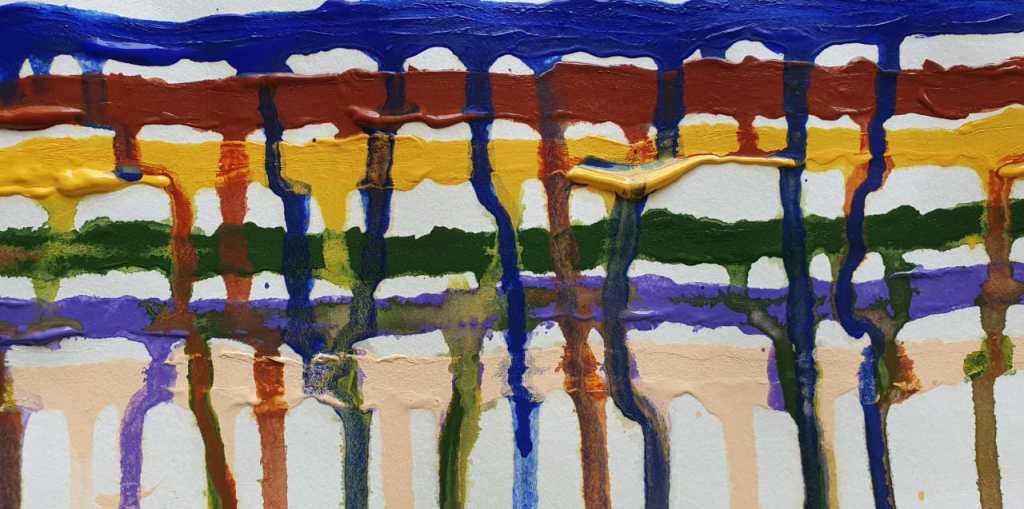
In a world that constantly demands our attention and productivity, we often forget to pause and listen to the quiet stirrings within. Our minds brim with emotions, unspoken thoughts and complex feelings that can be difficult to articulate. Visual journaling offers a gentle, yet powerful way to make sense of this inner world. It combines grounding practices, artistic expression and reflective writing to create a deeply personal and healing experience.
What Is Visual Journaling?
Visual journaling is a multi-modal expressive practice where individuals combine visual art with reflective writing. It doesn’t require any artistic skill – just an openness to explore what lies beneath the surface. It moves beyond the limits of words, allowing images, colours, shapes and textures to express what the heart cannot always say.
This process typically unfolds in three stages:
- Grounding Oneself
- Creating Visual Expression
- Reflective Writing
The Process
1. Grounding: Arriving in the Moment
Before you begin to create, it’s important to arrive – physically, mentally and emotionally. Grounding techniques help centre your mind and bring your awareness into the present.
Some grounding practices include:
- Taking deep, mindful breaths
- Doing a short body scan or progressive muscle relaxation
- Sitting with your eyes closed and focusing on sounds, sensations or your breath
- Holding an object with texture or weight to anchor your senses
Grounding prepares your inner space, making it safe for emotions to surface and for creativity to flow without judgment.
2. Drawing, Sketching, Painting: Giving Form to Feeling
Once grounded, you begin to create. Use whatever medium feels most comfortable – pencils, colour pencils, crayons, sketch pens, watercolours, acrylic paints, pastels or even a mix of materials to create collages with pictures, cut-outs, words and letters. There are no rules – the idea is to let your emotions take shape in whatever form feels right in that instance.
Preferably keep a time limit – the aim is not to create an art piece, but to capture your emotions in that moment. The goal isn’t to make “good” art, but to be honest with your inner experience. Let colours, lines and symbols emerge naturally. You may create an abstract representation of your mood, a symbolic image or even chaotic scribbles – simply allow your first thoughts and feelings to guide your creative expression.
This stage allows for the release of stored emotions, offering an unfiltered channel to express grief, joy, confusion, fear, anger or hope.
3. Reflective Writing: Meaning-Making and Emotional Integration
After creating the visual piece, take a moment to sit with it. Ask yourself:
- What emotions came up during the process?
- What does this image mean to me?
- Are there shapes, colours or patterns that stand out?
- What surprised me?
- What do I feel now, after creating this?
Use journaling to explore these questions or to simply write about how the experience felt. You can write a letter from your art, describe what it might be saying to you or record any thoughts that arise.
This reflective stage brings coherence and clarity – it turns expression into insight. To deepen the process and avoid the risk of overthinking or emotional spirals, consider starting your reflections under the guidance of a trained art therapist or mental health professional. Their support can help channel your thoughts toward objective, compassionate understanding and healing.
Benefits of Visual Journaling
Visual journaling is a deeply therapeutic practice with wide-ranging benefits:
- Emotional Regulation: It provides a safe outlet for releasing and processing emotions, especially those that are difficult to verbalize.
- Increased Self-Awareness: Through reflection, we begin to understand our emotional patterns, triggers and needs more clearly.
- Stress Reduction: The act of creating art is inherently calming and can reduce anxiety and tension.
- Improved Focus and Grounding: The process encourages mindfulness, helping you stay in the present and centred.
- Healing and Growth: Over time, journaling creates a visual map of your inner journey, showing growth, resilience and self-compassion.
- Creative Confidence: As you allow yourself to create without judgment, your trust in your creative instincts deepens.
Who Can Benefit from It?
Anyone. You don’t need to be an artist or a writer. Visual journaling can support:
- Teenagers exploring their identities
- Adults dealing with stress or burnout
- Individuals in therapy or recovery
- Educators, caregivers and professionals needing emotional balance
- Anyone seeking a regular practice of self-reflection
Making It a Habit
To make visual journaling a part of your life:
- Set aside a regular time – weekly or even daily
- Keep your materials accessible and simple
- Create a non-judgmental, quiet space
- Begin with prompts like “What do I feel today?”, “What colour is my mood?”, or “What do I need to let go of?”
Remember, this is your private, sacred space. There is no right or wrong way – only your way.
And so…
Visual journaling is more than art or writing – it is a dialogue with your inner self. It encourages you to slow down, feel deeply and listen closely. In that stillness, as paint meets paper and words flow freely, you discover not just your emotions, but also your strength, wisdom and capacity for healing.
In a busy world, visual journaling offers a return – to yourself.
 Tarang Wellness